
Artificial Intelligence is no longer just a buzzword. In 2026, something deeper is happening — and many creators don’t even realize it yet.
A new term is quietly entering serious tech conversations: Synthetic Intelligence.
At first, I thought it was just another fancy label for AI. However, while running my blog and testing AI tools daily, I started noticing a real shift. Some systems no longer just assist me — they decide, adapt, and optimize on their own.
That’s when I understood: this isn’t the same Artificial Intelligence we talked about five years ago.
In this article, I’ll break down Synthetic Intelligence vs Artificial Intelligence, what’s actually changing in 2026, and why this matters for bloggers, creators, and digital entrepreneurs.
What Is Artificial Intelligence? (Quick Reality Check)
Artificial Intelligence (AI) refers to systems designed to perform tasks that normally require human intelligence — such as writing, image generation, recommendations, and predictions.
Most AI tools bloggers use today:
Generate content
Analyze keywords
Suggest headlines
Automate repetitive work
Examples include AI writing assistants, SEO tools, and image generators.
Important point:
Traditional AI usually waits for human input.
You prompt → AI responds.
Artificial Intelligence (AI) refers to systems designed to perform tasks that typically require human intelligence, such as recognizing patterns, generating text, or learning from data. According to an overview on Wikipedia’s Artificial Intelligence page , modern AI spans from rule-based automation to deep learning systems that approximate human reasoning.

What Is Synthetic Intelligence? (The 2026 Shift)
Synthetic Intelligence goes one step further.
It refers to systems that don’t just respond — they act, adapt, and improve workflows autonomously.
From my experience, Synthetic Intelligence:
Observes patterns
Adjusts strategies automatically
Makes decisions without constant prompts
Works as a system, not a single tool
Think of it as AI that manages processes, not just tasks.
This shift is subtle, but powerful.
Synthetic Intelligence vs Artificial Intelligence (Simple Comparison)
Feature
User Role
Behaviour
Scope
Learning
Use Case
AI
Input Required
Reactive
Task Based
Model Based
Tools
SI
Minimal Input
Adaptive
System Based
Contextual Learning
Workflows & Ecosystem
This difference matters more than people think — especially for content creators.
How I’m Already Seeing Synthetic Intelligence in Real Tools

I don’t run a big team. Yet my blog www.aiearninghub.com continues to grow.
One of the reasons I recognize this shift so clearly is because of the way I’ve structured my own blog workflow. In my article How I Use AI to Run a Blog With Almost No Team (My Real Workflow in 2026), I share how different systems work together to reduce manual work — and how those same principles are evolving into what I now call Synthetic Intelligence: systems that do more than respond, they decide and adapt.
Here’s what I’ve personally noticed in 2026:
1. AI Is Managing Entire Blogging Workflows
Some tools now:
Suggest content clusters
Optimize internal linking automatically
Adjust publishing schedules based on performance
Recommend updates without manual audits
I’m no longer telling AI what to do every step — it’s suggesting what should happen next.
2. SEO Decisions Are Becoming Autonomous
Earlier, AI helped with keywords.
Now, systems:
Identify declining pages
Recommend content refresh timing
Adjust headline structures based on SERP behavior
Detect indexing issues before GSC updates
This feels less like “AI help” and more like synthetic decision-making.
3. Website Optimization Without Manual Control
Even hosting, caching, and speed optimization tools now behave differently.
Some platforms:
Adjust performance settings automatically
Predict traffic spikes
Optimize Core Web Vitals without manual intervention
This is Synthetic Intelligence in action — quiet, invisible, but effective.
Why Synthetic Intelligence Matters for Bloggers in 2026?
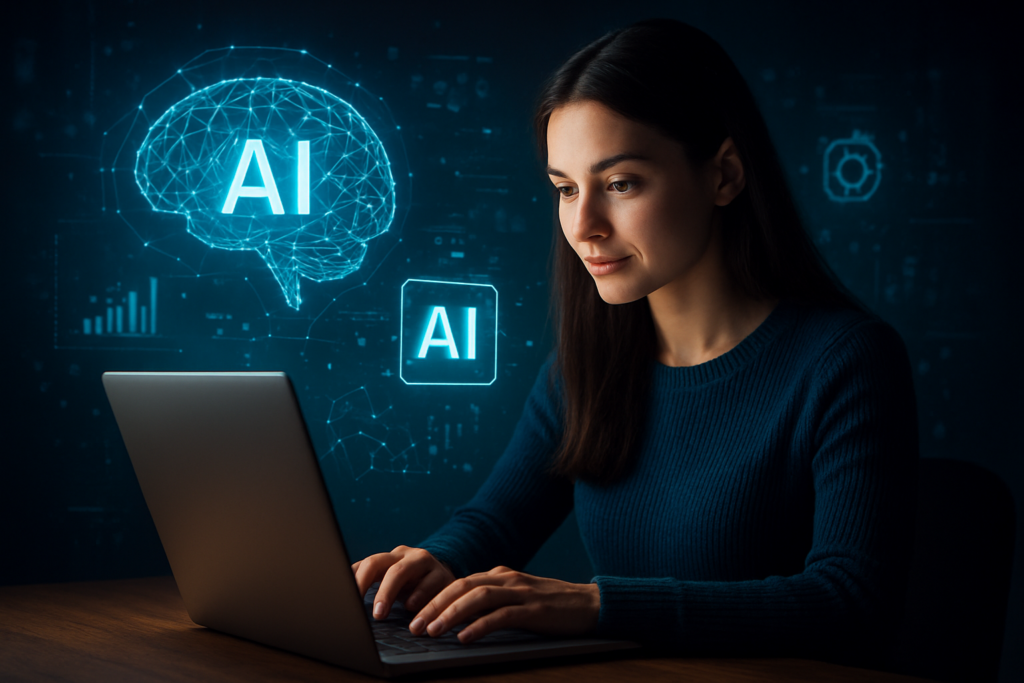
If you’re blogging in 2026 and still thinking only in terms of “AI tools,” you’re already one step behind.
Here’s why this shift matters:
Less Dependence on Large Teams
Synthetic systems reduce the need for:
SEO managers
Editors
Analysts
Manual audits
This levels the playing field for solo creators.
Faster Growth With Fewer Errors
Because systems learn from behavior, not just rules:
Fewer technical mistakes
Faster corrections
Smarter content decisions
I’ve personally seen traffic recover without manual fixes — something that wasn’t possible earlier.
Better Alignment With Google’s Direction
Google itself is moving toward:
Automated evaluation
Contextual understanding
Experience-based content signals
Synthetic Intelligence fits this evolution naturally.
Major research organizations like McKinsey & Company note that the future of AI isn’t just automation — it’s integrated, context-aware systems that influence how businesses operate across domains This reinforces what I’m seeing firsthand: the next stage of AI evolution is less about tools and more about systems.
Is Synthetic Intelligence a Risk?
Yes — if used blindly.
From experience, here are real risks:
Over-automation can reduce originality
Blind trust can cause content quality drops
Lack of human review can hurt brand voice
That’s why human direction still matters.
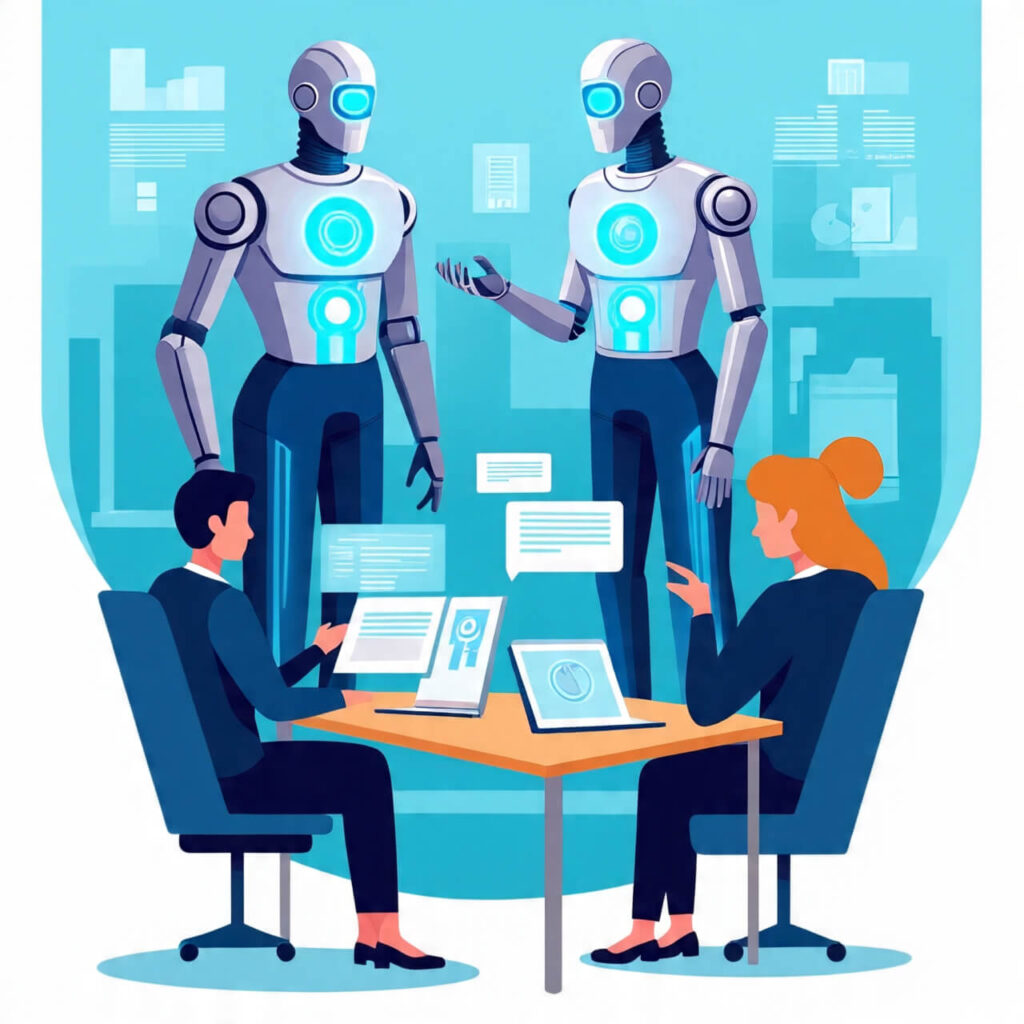
The smartest approach is: Let Synthetic Intelligence handle systems — let humans handle meaning.
Should Creators Rely on Synthetic Intelligence?
My honest answer: Yes, but consciously.
I don’t let systems:
Publish without review
Rewrite personal insights
Control brand messaging
Instead, I use them to:
Optimize processes
Identify opportunities
Save time on technical work
This balance is what’s working in 2026.
Synthetic Intelligence Is Not Replacing Humans — It’s Replacing Chaos
This is the biggest misunderstanding.
Synthetic Intelligence isn’t about replacing creativity.It’s about removing friction, repetition, and inefficiency.
For bloggers and digital creators, this means:
More focus on ideas
Less stress over systems
Faster execution
Final Thoughts: Why This Shift Is Just Beginning
Synthetic Intelligence isn’t a trend headline yet — and that’s exactly why writing about it now matters.
In a year, everyone will talk about it.In 2026, early creators build authority.
If you’re building a long-term digital asset, understanding this shift early gives you an advantage — not because it’s fancy, but because it’s practical.
FAQs
Is Synthetic Intelligence different from AI agents?
Yes. AI agents perform tasks; Synthetic Intelligence manages systems and decisions.
Will Google penalize content created using Synthetic Intelligence?
No — Google focuses on quality, experience, and usefulness, not how tools are used.
Should beginners use Synthetic Intelligence tools?
Yes, but with clear human oversight.

Leave a Reply